Project Information
CLIENT
TYPE OF INTERVENTION
Refurbishment
LOCATION
DURATION
VALUE OF WORKS
SERVICES
- Preliminary MEP Design
- Final MEP Design
- Executive MEP Design

 Leed Platinum
Project Description
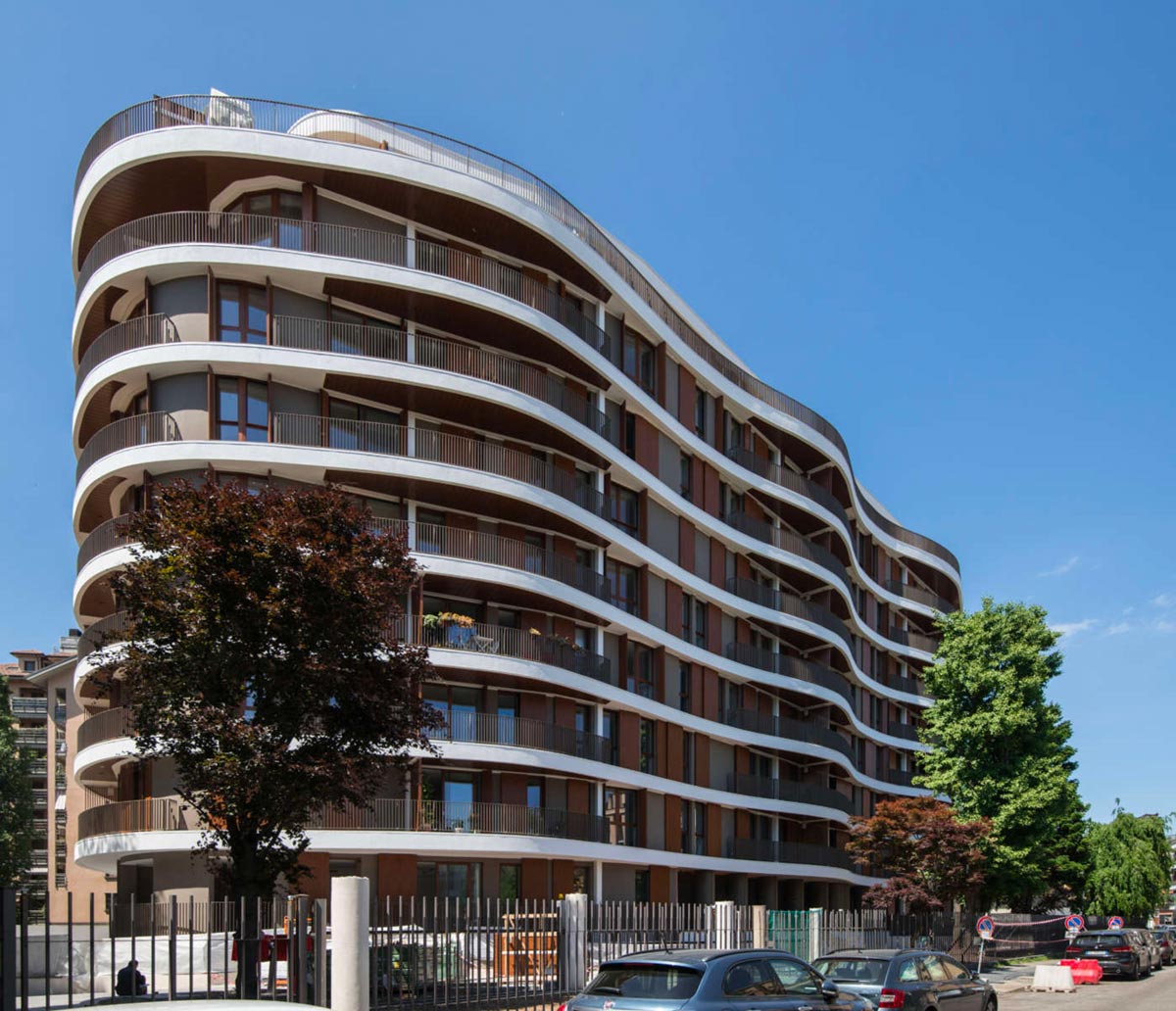
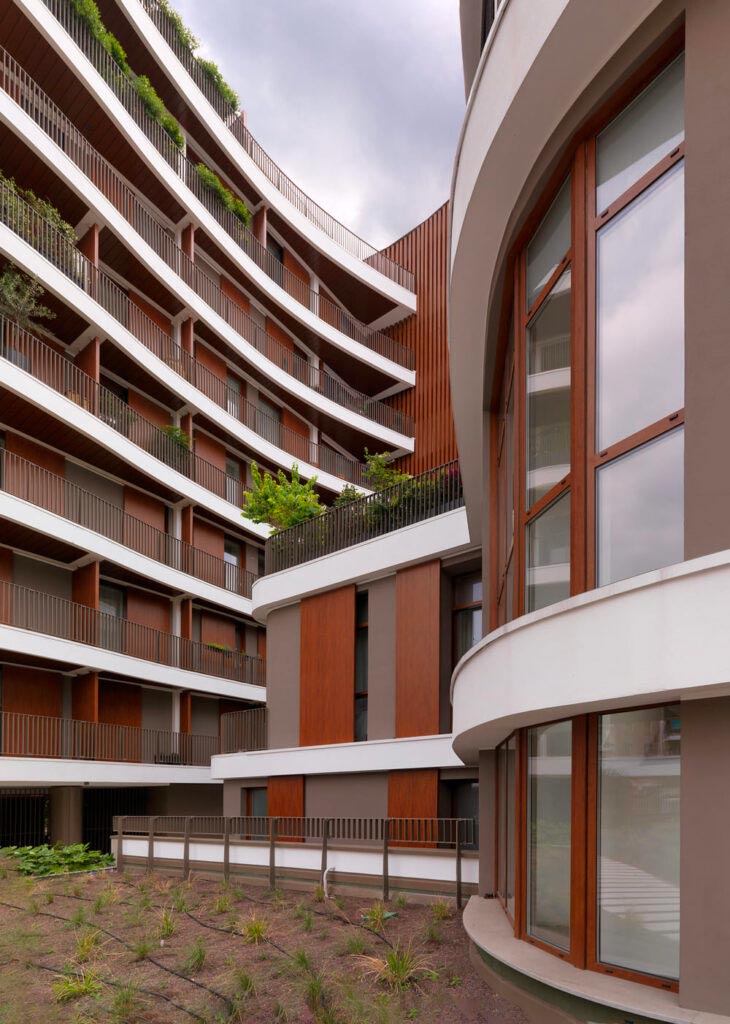
The intervention in Via Alserio 10, which led to the construction of a prestigious residential building, saw Tekser take part in the design team. Specifically, our role was to develop the Preliminary, Final and Executive MEP design.
The design choices, based on the integrated design of the building-services system, were aimed at achieving significant optimisations in terms of energy consumption. This was done through the adoption of strategies involving the use of renewable energy sources, heating and cooling production from renewable or equivalent energy sources, and the selection of technologies with higher efficiencies than traditional solutions, such as heating, cooling and domestic hot water production through reversible heat pumps and mainly radiant heat emission systems.
The project was mainly developed with the aim of maximising the overall sustainability of the initiative, also adhering to the voluntary LEED environmental certification protocol, with third-party validation.
Energy Efficiency
Summer/winter air conditioning and domestic hot water production are provided by a high-efficiency water-to-water heat pump system, with heat exchange from open-loop geothermal energy using groundwater.
This choice is aligned with the requirements of energy efficiency legislation for buildings, which requires at least partial coverage from renewable sources, amounting to no less than 50% of the energy demand associated with year-round air conditioning and domestic hot water production.
The site can be defined as having zero local emissions, as it does not generate heat through combustion.
The winter heating and summer cooling system is powered exclusively by electricity, as are the kitchen hobs, which use induction plates, with no use of methane gas.
A significant aspect of the project was the on-site installation of a renewable electricity self-production source, helping to substantially reduce withdrawal from the national electricity grid, with positive benefits in terms of environmental impact throughout the entire life cycle of the building-services system. This resulted in the adoption of a photovoltaic system of approximately 33 kW, perfectly integrated into the sloped roof structure.
As regards the common areas, the systems were designed to allow efficient operation of the equipment, reducing energy consumption in compliance with the provisions of former Law 10/91 and subsequent amendments and additions.
The building will be served by a centralized system for the production and distribution of heat transfer fluids, and heat exchange will be indirect, with plate heat exchangers protected on the groundwater side by a highly reliable self-cleaning filtration system.
For the management and control of heating/cooling energy consumption and water consumption, a module has been installed to interface the supervision system with the individual metering devices. Each residential unit is equipped with an individual metering system for winter heating, summer air conditioning, and domestic hot and cold water consumption.
Heat distribution takes place through low-temperature underfloor radiant panels, sized to guarantee indoor temperatures in accordance with current regulations.