Project Information
COMMISSIONING CLIENT
Mario Cucinella Architects SURL
TYPE OF INTERVENTION
MEP Systems Design
LOCATION
Osaka, Giappone
DURATION
2023-2025
SERVIZI
- Executive MEP Design in BIM
- BIM Focus: BIM Modeling of the MEP System
ADDITIONAL INFORMATION
|
Project Cost: |
2.600.000,00 € (systems) |
|
Size: |
3.000 mq |
| Client: |
General Commissioner’s Office for Italy’s Participation in Expo 2025 Osaka |
PROJECT DESCRIPTION
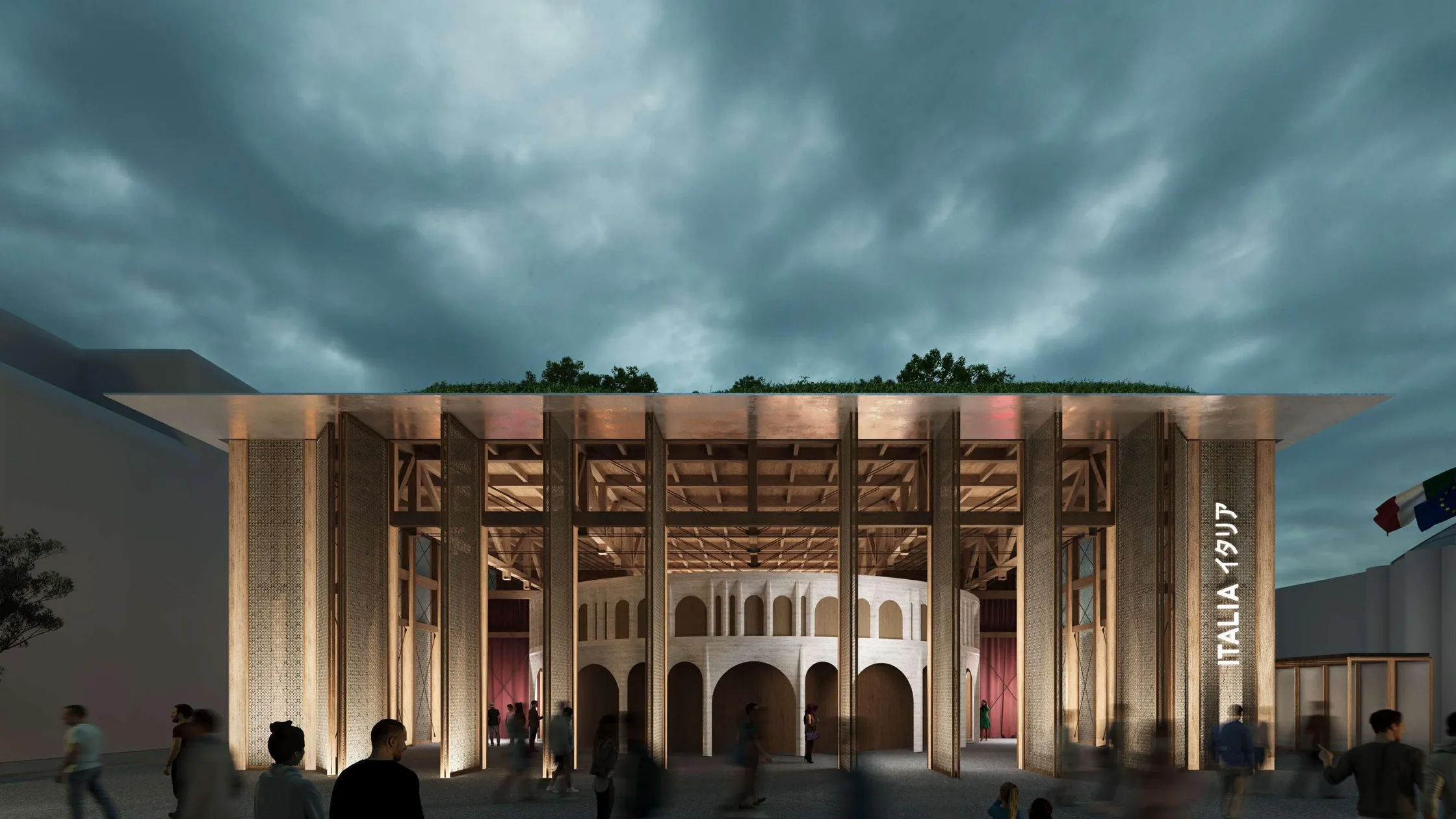
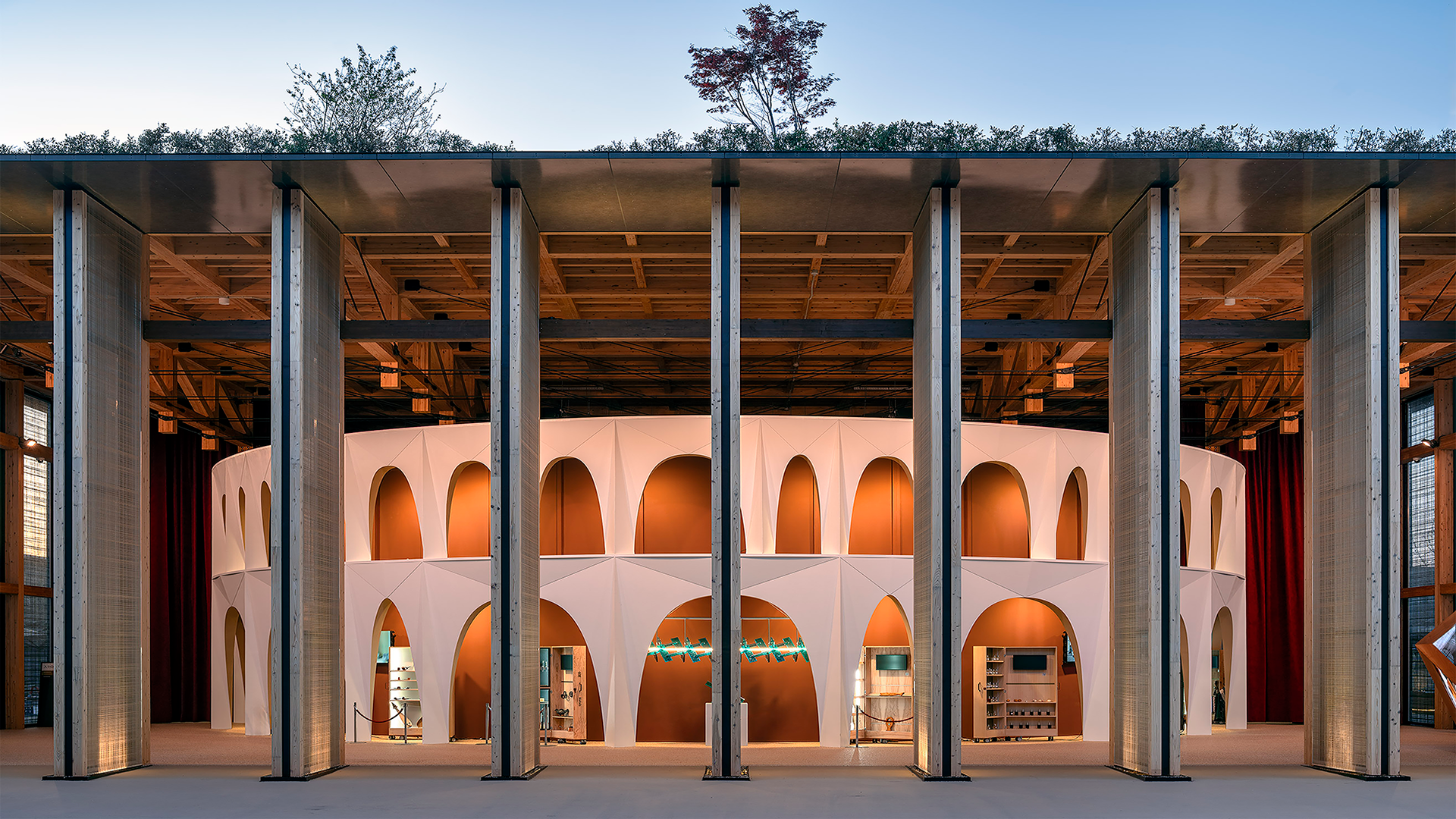
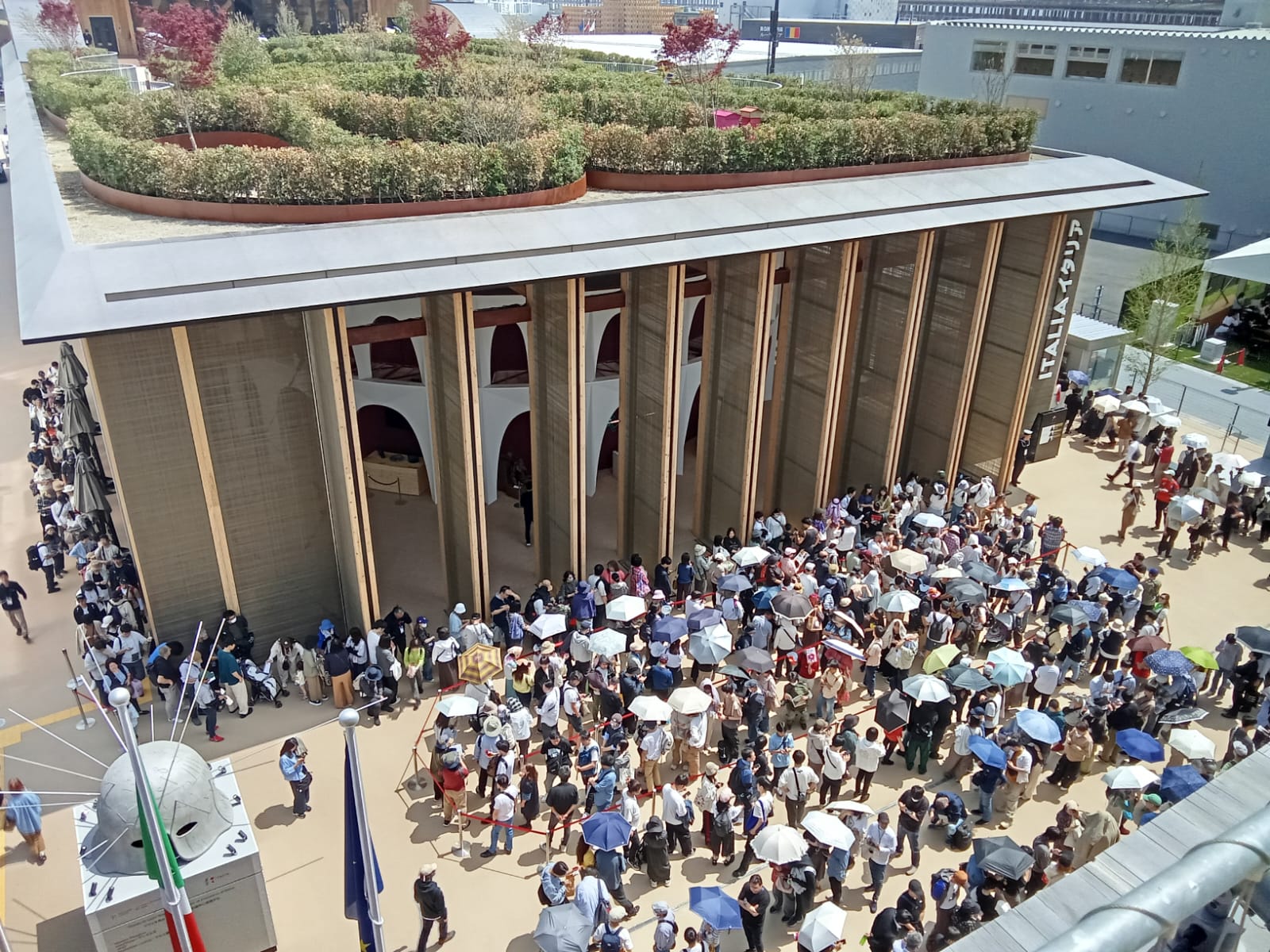
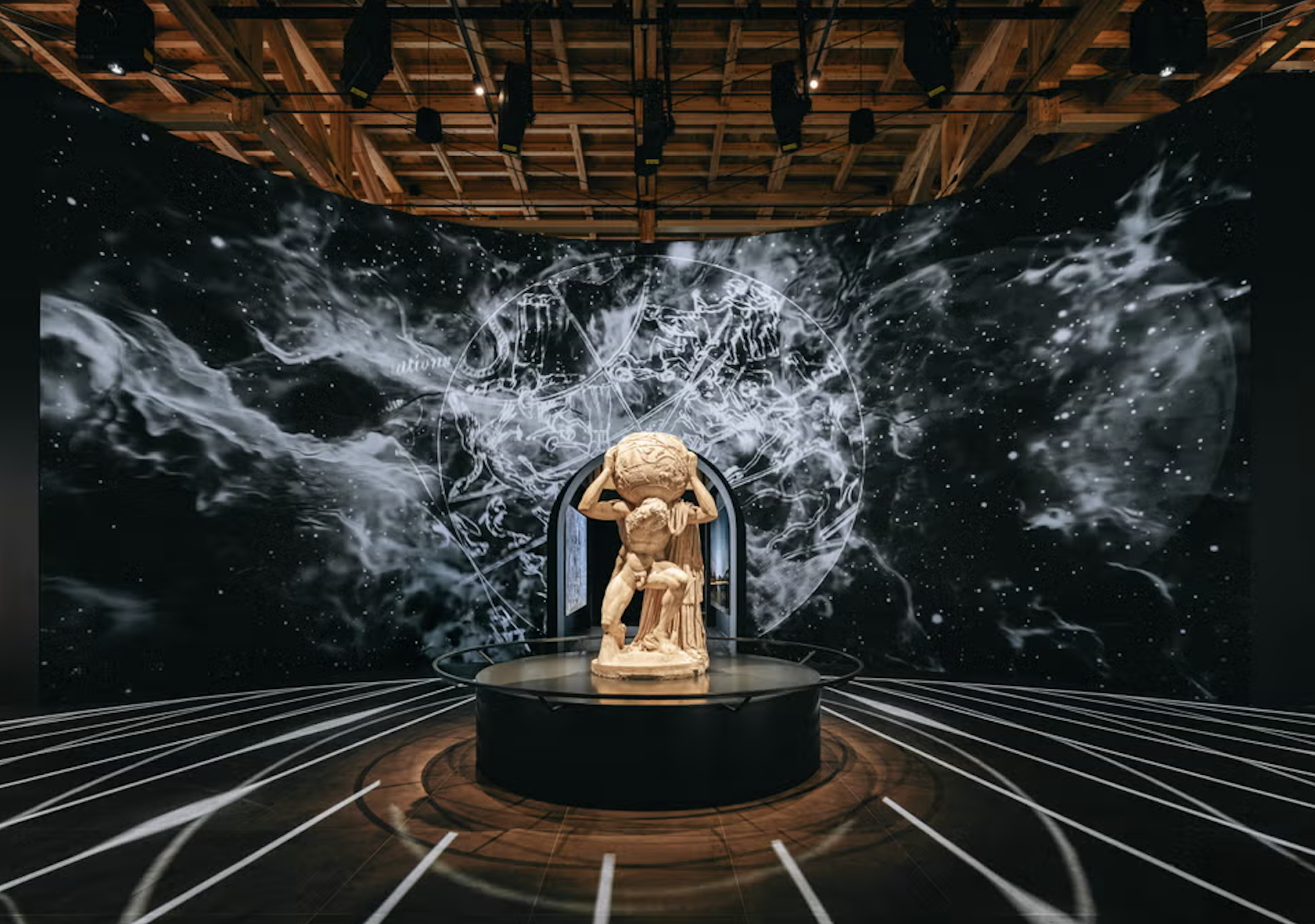
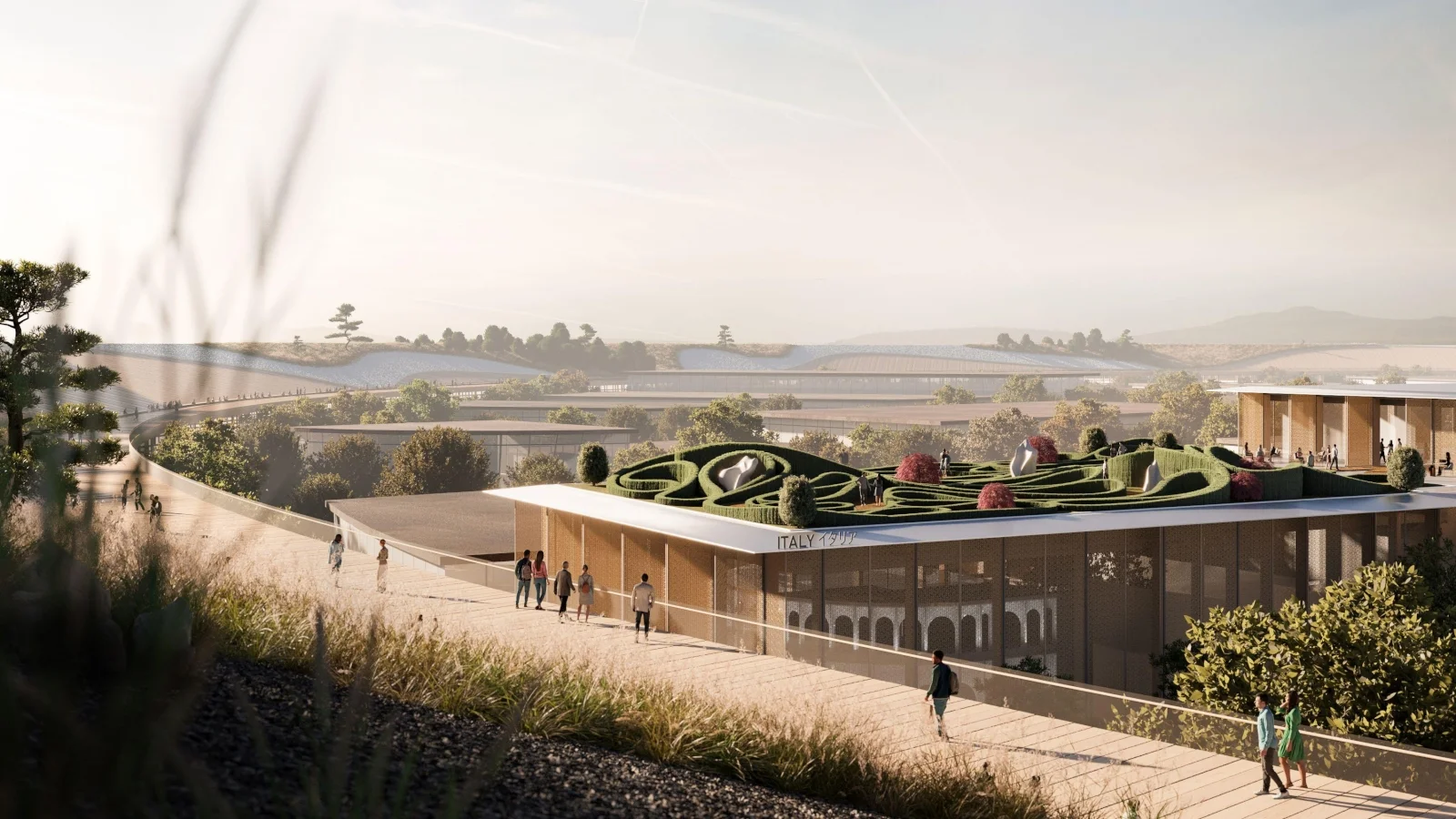
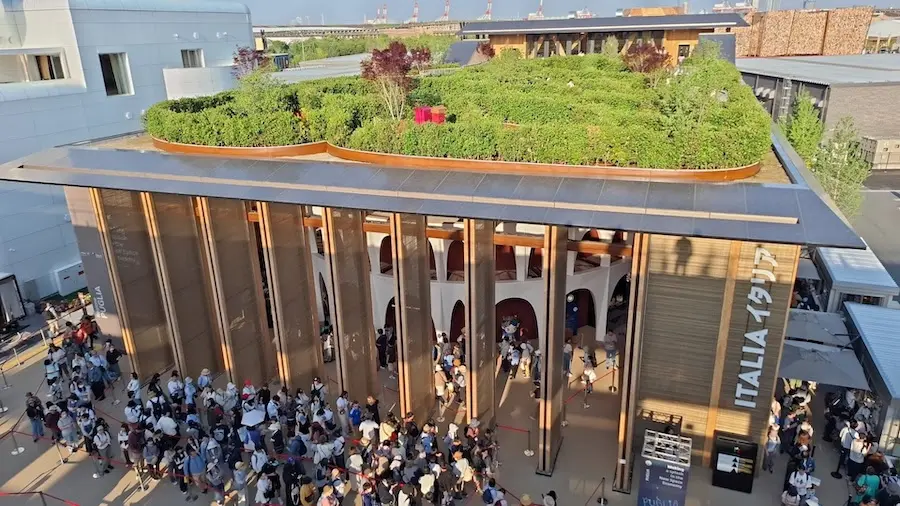
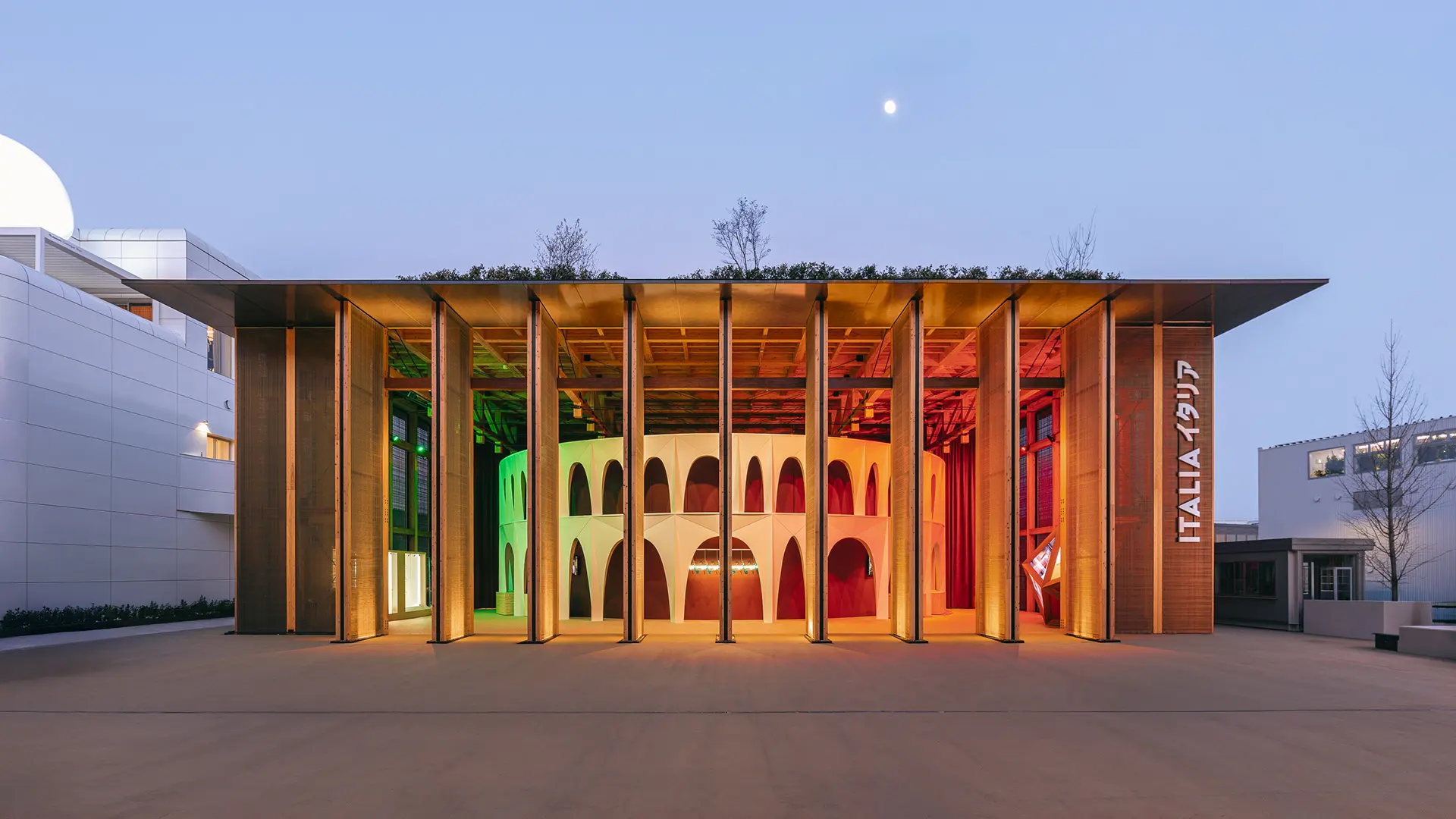
The Italy Pavilion for Expo 2025 Osaka is conceived as a living, regenerative ecosystem, capable of embodying the ongoing dialogue between tradition and innovation, art and science, craftsmanship and technology. Designed and built by MCA – Mario Cucinella Architects, the Pavilion was envisioned as a dynamic and immersive laboratory, telling the story of our country through a sequence of sensory and narrative experiences designed to actively engage visitors.
The project is therefore a 3,000 sqm exhibition structure designed for the duration of the Expo and beyond, as it can be dismantled and reused in Italy or abroad.
Tekser was responsible for the design of the MEP systems described below.
The Pavilion’s building systems have become a benchmark in the implementation of innovative solutions aimed at achieving environmental sustainability and resilience to climate change. The project made it possible to achieve very low CO₂ emissions, reduced water consumption, and high Indoor Environmental Quality (IEQ), ensuring healthy and comfortable conditions for visitors and staff.
To control the indoor climate, a combination of passive and active strategies was adopted.
The passive strategies were based on solar shading and natural ventilation: cool air was ensured through the stack effect, achieved by means of openings in the walls and roof chimneys.
To manage high thermal loads, an automatic control system was implemented to activate air conditioning and mechanical ventilation when needed. The HVAC system was designed to use chilled water supplied by the Expo network (19°C supply and 9°C return).
All mechanical systems were monitored and controlled through a Building Automation System (BAS), based on predictive and cognitive algorithms for managing operating schedules, temperature setpoints, and alarms.
A photovoltaic system was installed on the roof, fully integrated with the areas designated for garden spaces and walkways.
Se vuoi, posso anche fartela in una versione più corporate e fluida, pensata proprio per una scheda progetto internazionale o per un sito di ingegneria/architettura.